What is Stammering or Stuttering?
Stammering and stuttering mean the same thing.
They refer to a different way that talking can sound.
A stammer or stutter always has audible features. They sound like:
- Repetitions- A person who stammers might repeat single syllable whole words, repeat sounds or syllables, e.g., I missed the b-b-b-bus.
- Prolongations – A person who stammers might prolong or stretch out sounds, e.g., Can I have f-(long f sound)-our bars of chocolate please?
- Blocks – A person who stammers might try to speak and the body parts involved in speech (lips, tongue, palate, etc.) get into position but no sound comes out at all for the duration of the moment of stammering. Sometimes when the block ends, the person’s speech might come out as a “burst.
A stammer or stutter sometimes has visible features. They can look like:
- Physical tension in the muscles of the eyes, lips or neck
- Struggle behaviour as the person tries to “push” the word out, e.g. clenching a fist, stamping a foot, changes to breathing



Stammering/ Stuttering in Young Children
Approximately 5% of children will stammer at some point during their childhood.
Many children under 5 years go through periods where they sound like they are stammering but their stammer goes away spontaneously after a few months.
One theory about why this happens is that children’s language systems (vocabulary, grammar etc.,) are developing at too rapid a rate for the speech motor system to keep up.
Other children continue to stammer into later childhood and sometimes adulthood.
Approximately 1% of the adult population stammers.
Unfortunately, there is no way of accurately predicting which children will stop stammering spontaneously and which children will continue to stammer.
For young children who stammer, speech and language therapy can help parents understand what is happening and what they can do to best help their child.
Therapy for children under 6 years is often done by working directly with parents, rather than children. At Riverside SLT, Eibhlin is strongly influenced by the Michael Palin Centre for Stammering in London. Their recommended and evidence-based therapy approach for this age group is typically Parent-Child-Interaction Therapy. Small changes through therapy can result in big gains for the child and family alike.

What Stammering or Stuttering is NOT
There are lots of myths and misunderstandings about stuttering or stammering.
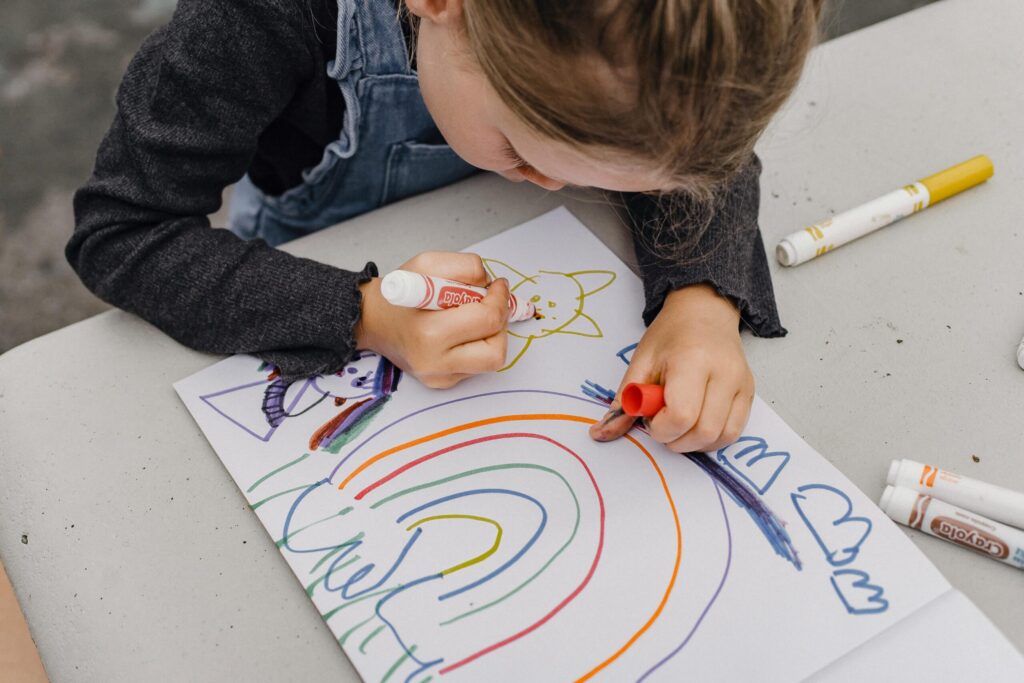
NOT Caused by Parents’ Actions or Inactions
Nothing parents have said or done, or not said or not done causes stammering. But there are lots of things that parents can do to make the experience easier.
NOT Caused by Nervousness or Lack of Intelligence
A child does not begin stuttering or stammering because they are nervous or shy. Children who stammer or stutter are just as intelligent as other children who don’t stutter or stammer.
NOT always a problem
Having a stutter or stammer involves talking differently. It is similar to how people can talk with different accents, but no one accent is the “right” accent. Lots of adults and children stutter or stammer and it doesn’t impact them or their families. Indeed many famous and successful people continue to stammer. It is only if stuttering or stammering is impacting a person and/ or their family that therapy is needed.
When to Get Help with Stammering or Stuttering
While stuttering or stammering is NOT wrong, speech and language therapy can be helpful if having a stammer is impacting on the child and/ or parents.
Stammering or Stuttering can sometimes lead parents to feel worried or anxious about their child. For some people having a stutter or stammer is something that they don’t like. They might have negative feelings about their stammer and sometimes themselves (e.g., anxiety, anger, shame). They might have negative thoughts about their stammer and sometimes themselves, (e.g., “I’m stupid,” “I can’t talk well.”) This may lead to a child avoiding words or certain speaking situations.
Therapy can be helpful in encouraging children to develop or regain confidence in themselves as communicators.
Therapy can help children to develop healthy identities as capable, resilient people who stammer.
If desired and appropriate, therapy can help children develop a toolbox of strategies that they can use to feel more in control of their speech and to sound more fluent. These strategies can then be used in specific situations that a child might have previously avoided or feared, e.g., giving presentations, reading aloud in class.
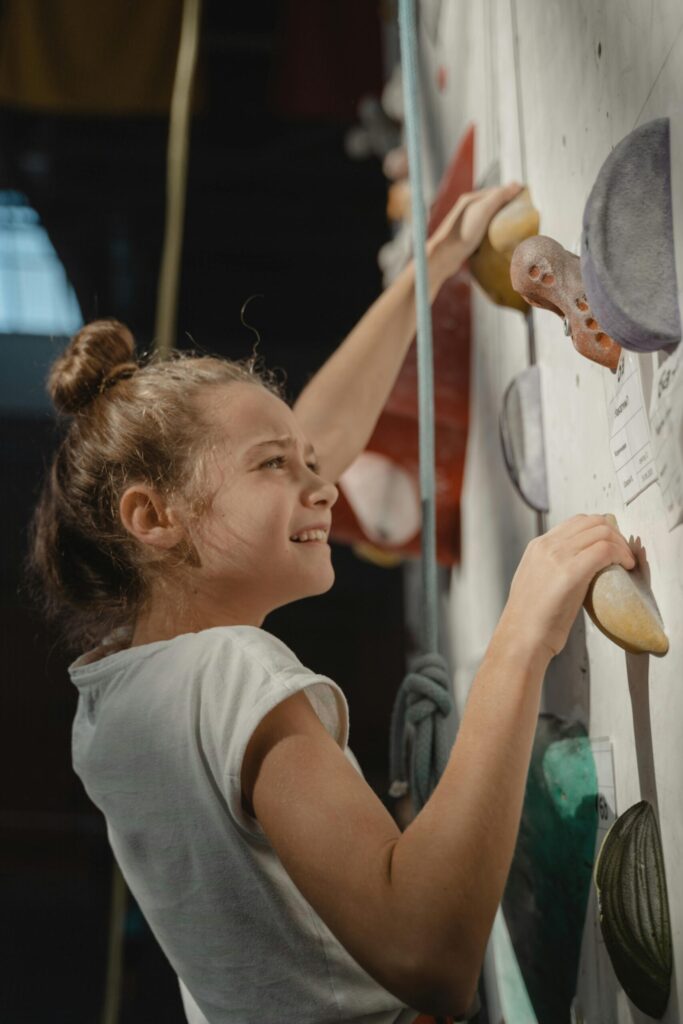


How Can Parents Help with Stuttering or Stammering
There are lots of things parents can do to help their child who is stammering or stuttering.

Be a Good Listener
Give your child time to talk. Keep eye contact with your child when they stammer and show them you are listening by nodding your head etc.,. Do not finish their sentences or words or offer them advice like, take a deep breath or slow down. You want to send the message that what they have to say is more important than how they say it.
Link in with the Irish Stammering Association
The Irish Stammering Association offers free or low cost supports for people who stammer or stutter and their families. These include free phone advice clinics with SLTs, opportunities to meet up online and in person with other children who stammer, Drama summer camps, workshops on oral exams and interview prep.
Speech & Language Therapy
When a stammer or stutter is causing a problem for a child or their family, then therapy can be helpful. Therapy does NOT and cannot “cure” stammering. It focuses on preventing or minimizing any negative impact on the person who stammers and helping the person and those around them to understand stammering and what they can do (or not do) to help the child. It works to help the child feel in control of their speech and themselves as a communicator. Sometimes in doing so the audible features of stammering can lessen.
How Riverside SLT Helps Children who Stammer

Step One: Assessment
Eibhlin meets with parents and children to understand the child’s stammer – how it sounds, how it is impacting the child and family, and what factors unique to your child, family and environment might play a role in their stammer/ stutter. This assessment process is heavily influenced by the Michael Palin Centre for Stammering.

Step Two: Therapy Planning
Eibhlin works with parents and children to set meaningful goals for therapy. Each child and situation is unique. The goals and situation will influence who attends therapy, what the focus will be and how many sessions are needed. For very young children, therapy primarily involves the parents. For school aged children, the child, parent and sometimes siblings are involved and advice is offered to school staff. Adolescents typically lead the direction of therapy and who (if anyone else) should be involved.

Step Three: Therapy and Going Forward
Initial therapy blocks are usually provided on a weekly or fortnightly basis up to a maximum of 8 to 10 sessions. Depending on the outcomes achieved, further therapy blocks might be recommended or reviews/ check-in sessions. As therapy is only indicated if a stammer is causing a problem, sometimes families only need to come for one block of intervention.